My Hero Academia Review | More Than Just a Kids’ Superhero Anime
Chances are, you’ve heard of My Hero Academia at least once.
Originally serialized in Weekly Shonen Jump, this series has sold over 100 million copies worldwide. The anime streams in 148 countries and once hit #1 in streaming views in North America. It’s a true global phenomenon.
I’ll be honest—at first, I thought it was just another kids’ superhero show. But once I actually watched it, that impression was completely shattered.It’s a classic shonen manga at heart. Yet it’s not just “exciting”—it’s full of moments that make you cry and leave your heart feeling full.
The series has earned high scores on review sites like Filmarks and IMDb. And I totally get why so many people say, “It looks like a kids’ show, but adults can enjoy it just as much.”
Who Needs This Anime in Their Life
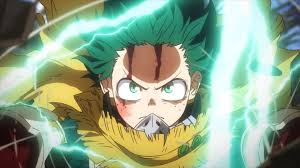
- Anyone lacking confidence or feeling like giving up on their dreams
- Fans of classic shonen values—friendship, effort, and victory
- People who love character growth stories
- Anyone who needs a push to keep going
- Anime beginners unsure where to start (the premise is easy to follow, and it begins at school)
- Those searching for something uplifting and encouraging
- Families looking for an anime to watch together
- Fans of NARUTO, Black Clover, Demon Slayer, or Jujutsu Kaisen
Plot|Story in a Nutshell
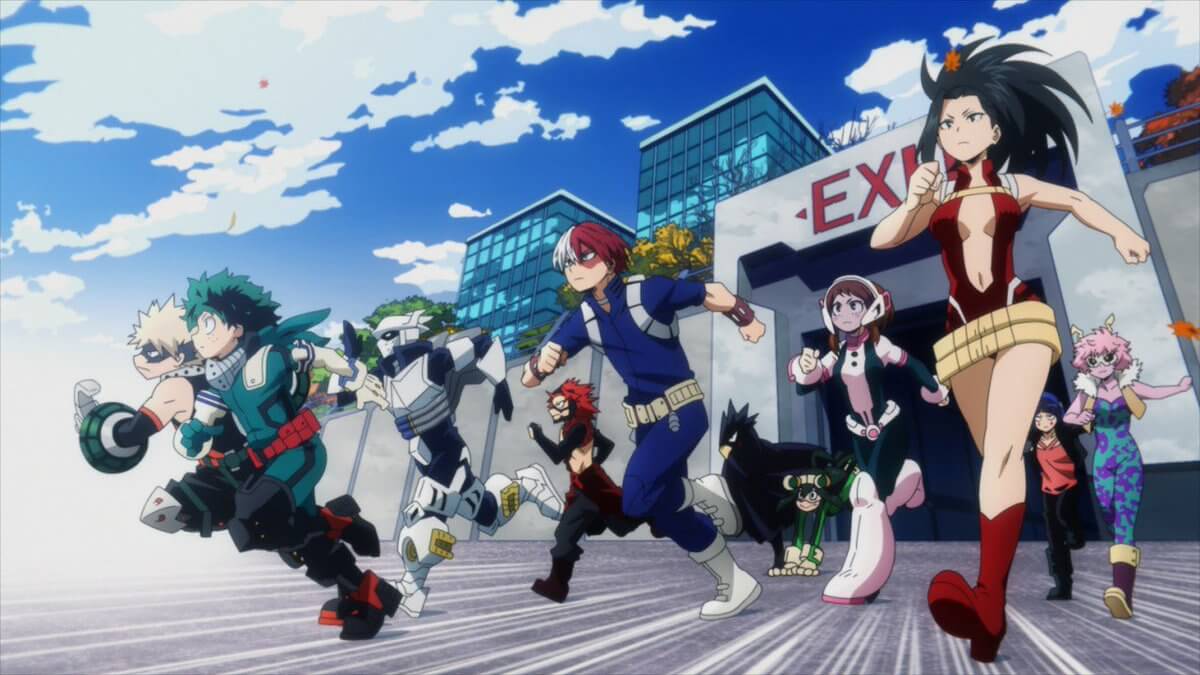
The story takes place in a world where about 80% of the population has developed superpowers called “Quirks.” Heroes who protect people from disasters and crime are now an official profession. News reports of heroes battling villains are part of everyday life.
Our protagonist is Izuku Midoriya, nicknamed “Deku.” He dreams of becoming a hero more than anything. But at the start of the story, he’s “Quirkless”—born without any powers at all.Everything changes when Deku has a fateful encounter with All Might, the world’s #1 hero. All Might sees the heart of a true hero in Deku and passes on his power—a Quirk called “One For All” that has been inherited across generations.
With this gift, Deku enrolls in the hero course at the prestigious U.A. High School. There, he trains alongside talented classmates and rivals, all striving to become heroes.The series explores themes like “What does it mean to be a hero?”, “The gap between dreams and reality,” and “The will that gets passed down.” At its core is a universal message: caring about others is the first step toward becoming a hero.
In short, it’s the story of someone who had nothing becoming the greatest hero of all.
Review |How This Anime Hit Me
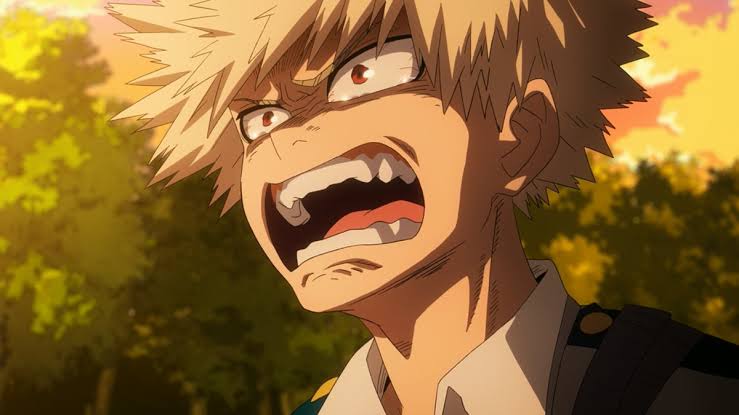
At the Beginning
Most viewers who watch the early episodes say the world is easy to understand. They feel for Deku’s situation. They find themselves rooting for him.From episode one, you’re drawn in by Deku—a boy without powers who still refuses to give up on his dream.
The scene where All Might tells him “You’re next” and passes on his Quirk is often praised as emotional and fun at the same time. That’s when the story really hooks you.
That said, some viewers struggle with the early episodes. The pacing is slow, and the plot follows a familiar formula—which might make some people drop off. I actually dropped it once myself and came back much later. The main story can feel hard to see at first, but I’d encourage you to stick with it.
As the Story Goes On
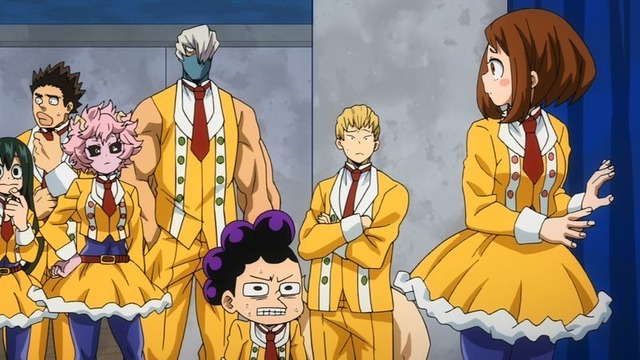
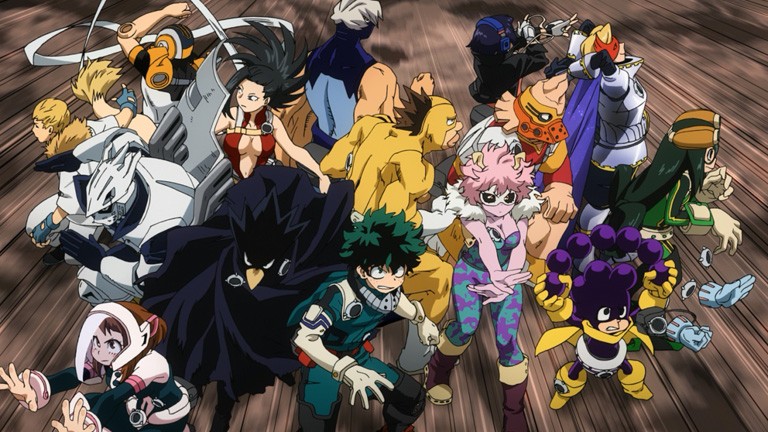
Once you reach the middle arcs (Seasons 2–4), things get more interesting. More characters show up, and each one gets their moment to shine.Class 1-A has 20 students, yet none of them feel like background characters. Every one of them has a backstory, a past that gets revealed, and a personality you grow attached to.
The story also moves beyond simple “good vs. evil.” The villains have their own reasons and struggles. This depth is one of the biggest strengths of the middle portion.One of the most talked-about scenes is Deku vs. Todoroki during the Sports Festival arc. Deku’s cry—”It’s your power!”—shakes something loose in Todoroki’s frozen heart. It’s a moment that stays with you.
I was also moved when Todoroki tries to save Iida with words and actions, just like Deku once saved him. And then there’s the arc where they rescue Eri. When she finally smiles at the school festival, it’s hard not to cry.
The Ending
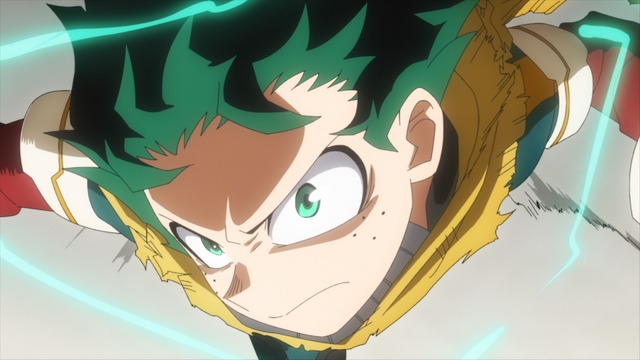
As the story reaches its final stretch, everything feels heavier. The buildup from all those earlier arcs starts paying off, and emotions hit hard.The Paranormal Liberation War arc in Season 6 depicts the heroes’ fierce resolve and sacrifice. It’s deeply moving.
After finishing the series, many viewers describe feeling a mix of accomplishment, loneliness, and warm afterglow. If you’ve followed these characters for years, the ending hits even harder.That said, the final stretch is intense. There aren’t many lighthearted moments or happy endings per episode. It can feel heavy.
Still, some praise the ending for leaving room for imagination. Others call it a sincere conclusion that stays true to its themes. Personally, I really loved the way it all wrapped up.
What Stood Out to Me as a Japanese Viewer
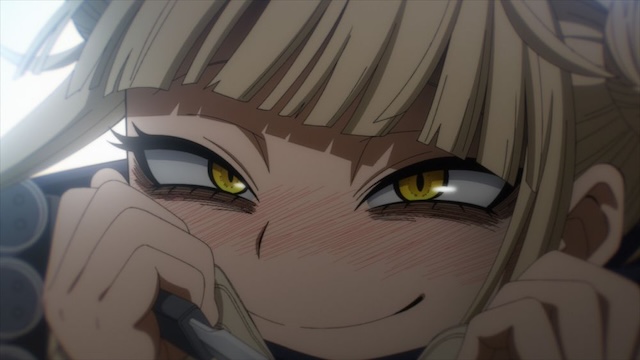
As a Japanese viewer, one thing that stands out is how naturally this series fits the “Jump classic” formula.Friendship, effort, victory—these are values that Japanese shonen manga have cherished for decades. Whether you enjoy this series often depends on whether you can embrace that straightforward approach.
The school life scenes also feel familiar to Japanese audiences. Cultural festivals, sports days, club activities, senpai-kouhai dynamics… The sense of everyone working together as a class is something many of us can relate to from our own school days.
I’ve heard that some overseas fans find certain aspects—like the cultural festival—harder to understand. But for Japanese viewers, these moments feel natural and easy to connect with.
The characters’ inner struggles also leave an impression. Lines like “When heroes are suffering, who protects them?” speak to those who push themselves too hard or can’t show weakness. Many viewers also relate to Deku’s complex about being Quirkless—about feeling like you have no talent.
The series draws from American comics but still has a distinctly Japanese emotional core. Some fans enjoy the Western superhero vibe, while others find the passionate speeches and “everyone unite!” moments a bit embarrassing. How you feel about the series may depend on whether you can roll with that earnestness.
Why I Loved It – and Why You Might Not
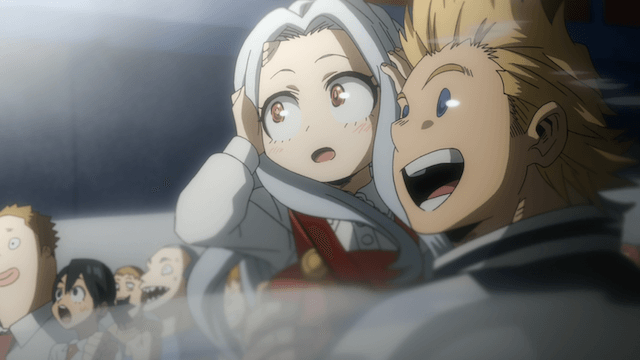
What I Loved
- Watching an underdog grow through effort—it’s classic and heartwarming
- It leaves you feeling encouraged and motivated
- From Season 3 onward, the pacing picks up and doesn’t hold back
- Every character has a detailed backstory, making them easy to care about
- Class 1-A has 20 students, yet none of them feel like background characters
- Emotions and struggles are portrayed carefully, bringing out each character’s humanity
- You see the perspectives of not just the hero, but also friends, teachers, and villains
- The animation quality is high, especially in battle scenes
- The music and direction amplify every emotional moment
- It’s not a simple good-vs-evil story—villains have their own beliefs and reasons
- The voice cast is stellar, and their performances elevate the series even further
What Didn’t Work
- The early episodes are slow-paced and may feel familiar
- Some viewers find the passionate speeches and “unite as one” moments a bit much
- It’s a long series, so binge-watching takes commitment
What This Anime Gave Me
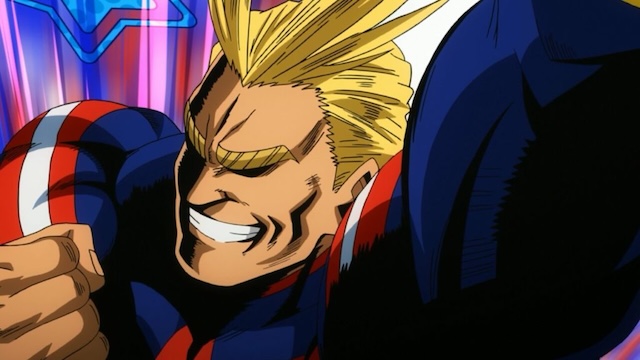
This series has a way of leaving something behind in your heart. Many viewers say it gave them confidence, energy, or comfort during hard times.
- The courage to take that first step before overthinking
- The realization that anyone can be a hero to someone
- The understanding that strength isn’t just about power—it’s about wanting to help others
- A deep appreciation for kindness that sometimes hurts, and for raw, human effort
- The belief that being a hero means doing what’s right, even when it’s idealistic
A Small Note Just for You
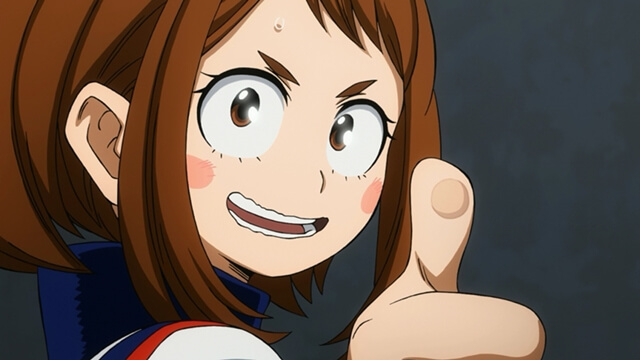
If you’re thinking, “Isn’t this just another kids’ superhero anime?”—I get it. I thought the same thing at first. Now, I wish I’d started watching sooner.This series gently supports those who lack confidence or feel like giving up on their dreams.
The story’s core message—”This is the tale of how I became the greatest hero”—can be read as: “It’s okay to be who you are right now. Just take that first step.” A hero isn’t someone special. A hero is someone who acts for others. And the weight of those words—”You can become a hero”—really stays with you.
This is also the kind of show that hits differently depending on when you watch it. Some people say it didn’t click before, but now it resonates deeply. Others mention that after becoming parents, they started admiring teachers like Mr. Aizawa in a whole new way.
After watching the finale, the feeling that lingers is bittersweet but warm. You can sense that same mood in reaction videos on YouTube.Once you start, it’s hard to stop. You get more and more attached to the characters. It makes you cry, gets you fired up, and gives you something to think about. This series has all three.