Demon Slayer: Kimetsu no Yaiba Review — A Classic Battle Story with a Gentle, Lasting Aftertaste
My main takeaway is simple: Demon Slayer: Kimetsu no Yaiba has a very classic battle-shonen backbone. The hero fights to get stronger. He meets allies. Powerful enemies appear like walls, and he has to push past them. The story flow is easy to follow.But what truly pulled me in was the emotional detail inside that “classic” structure. Each character carries something heavy. Some pain is hard to put into words. The anime takes time to show that, and before I knew it, I was deeply invested. It becomes more than just action. It starts to feel like a human drama.
And this series doesn’t end with “That was fun.” It stays with you. It can make you feel fired up, and then quietly sad. It can make you cry, but also leave you strangely comforted. That mix is what I remember most.The movie Demon Slayer: Mugen Train ranked among Japan’s top box-office hits and became a global success. The hype is real, but what matters more is the strength of what’s on screen. There are moments that genuinely land, even if you go in skeptical.
The setting is Taisho-era Japan. Still, the pain of losing family and the feeling of wanting to protect someone are universal. Some scenes are honestly tough to watch. But there are also many moments that move your heart in a very direct, honest way.
Who Needs This Anime in Their Life
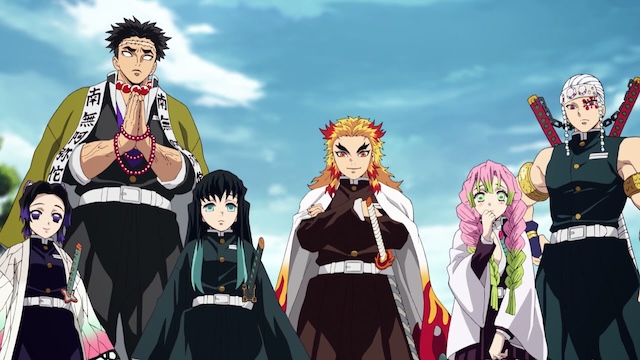
- You want action, but you also want a story that makes your emotions shift while you watch.
- You love anime for its visuals, and you want to really enjoy strong animation and direction.
- You like stories where family and bonds are at the center.
- You don’t watch much anime, but you want a clear, easy first pick that you can simply enjoy.
Plot|Story in a Nutshell
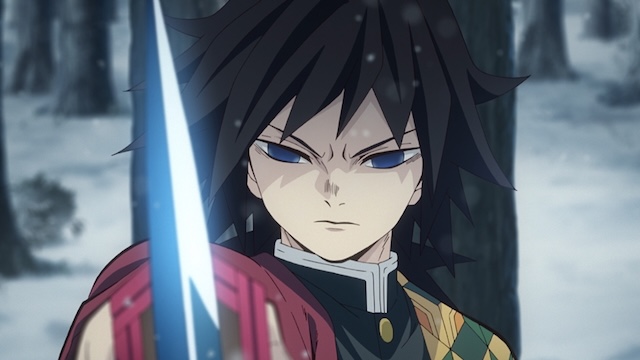
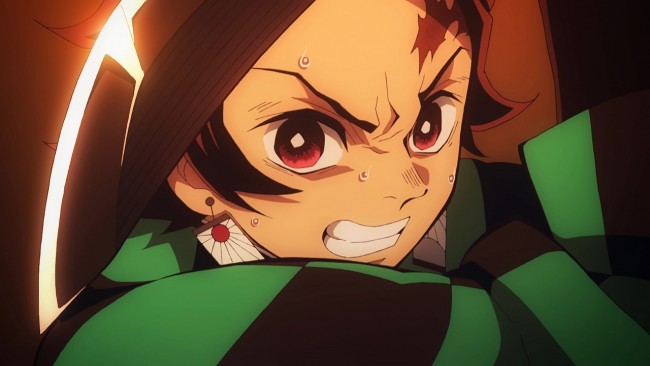
The story takes place in Taisho-era Japan, in a world where “demons” exist and attack people. The main character, Tanjiro Kamado, loses his family to demons. His younger sister, Nezuko Kamado, survives—but she becomes a demon herself.
Tanjiro sets out on a journey to turn Nezuko back into a human. Along the way, he trains, meets allies, and fights demons as he slowly grows stronger. The core of the story is straightforward, which is exactly why the emotions along the way can hit so hard.
Review |How This Anime Hit Me
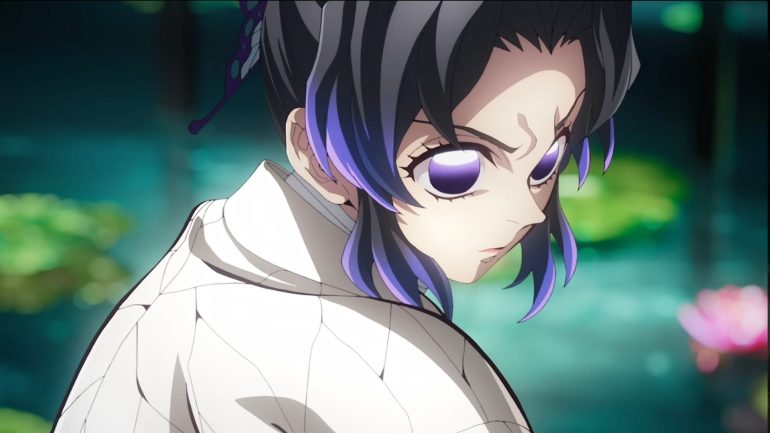
At the Beginning
Episode 1 grabbed me immediately. What happens is heavy, and I remember thinking, “This isn’t something I can watch casually.” But because the opening is so dark, Tanjiro’s honesty and straight-forward kindness stand out even more.
The art is beautiful, and the animation feels smooth and high quality. Watching it is simply satisfying. So even though the start hurt, I still wanted to keep going.I also appreciated the humor sprinkled in. It gives you moments to breathe. The show doesn’t keep you tense the whole time. Early on, that balance helped me stay with it.
As the Story Goes On
As the story moves forward, more allies join the journey. I felt the mood shift in a good way. The battles stay intense, but the relationships become livelier. The fun parts grow naturally, and before long, I had characters I was truly rooting for.
What stood out most to me was how the story treats the enemies. I couldn’t fully hate them. Of course the events are brutal, but the anime also shows the pain and the reasons behind them. That’s why it felt cruel and gentle at the same time. It’s a strange combination, but I felt it clearly.
That said, the overall story beats are very “classic shonen.” Sometimes I could guess what would happen next. I didn’t see that as a flaw. But if you always want fresh surprises, you might feel it’s a bit predictable.
final stage
※Note: The anime is still ongoing.
After finishing Mugen Train, I felt like my chest stayed warm for a long time. It wasn’t just sadness. It was something deeper that didn’t cool down quickly.
Afterward, I found myself thinking about family. I also thought about what I truly value in everyday life. Moments from the story came back to me outside the screen, and they kept working quietly in my mind. For me, this series leaves that kind of aftertaste.
What Stood Out to Me as a Japanese Viewer
The Taisho-era atmosphere felt very natural to me as a Japanese viewer. The town scenery, the clothing, and the sense of daily life felt oddly familiar. The Japanese elements don’t feel like “decoration.” They blend in smoothly.
I was also struck by how directly the show talks about doing things “for family” and “for friends.” In modern life, those words can feel a bit embarrassing. But inside this story, I could accept them honestly. It didn’t feel like an old-fashioned value to me. It felt like the anime was reminding me of something basic about being human.
Why I Loved It – and Why You Might Not
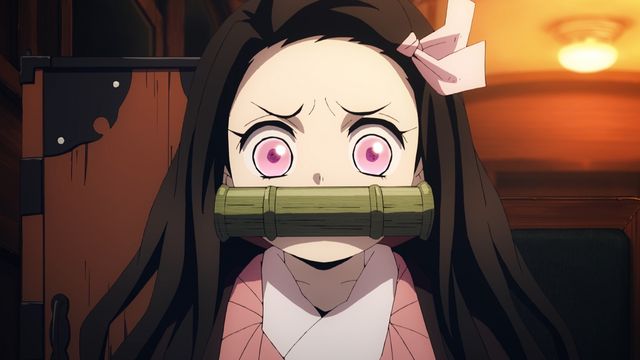
What I Loved
- The visuals and direction are genuinely impressive. The battle scenes are easy to follow, and the intensity lifts your mood. It’s flashy, but you still understand what’s happening.
- The goal is clear, so the story is easy to track. I didn’t need to memorize complex rules. I could just follow the feelings, and that made it very comfortable to watch.
- Tanjiro’s kindness is the core of the series. It’s a story about getting stronger, but it never turns cold. That warmth honestly comforted me.
- Because even enemies have backgrounds, fights don’t end with “defeat and done.” Even while showing brutal events, the story can feel gentle. That’s how it felt to me.
- I love that the sibling bond stays at the center. Even in intense battles, I felt like there was a “home” in the story. My emotions didn’t get left behind.
- As more allies appear, the energy gets brighter and hotter. Some characters I didn’t like at first became ones I truly cared about later.
- The music pushes you forward, including theme songs like “Gurenge.” When the show wants you to feel something, the sound helps your heart move with it.
- The aftertaste is strong. I didn’t just cry and move on. I kept thinking about it for a while.
What Didn’t Work
- Because it’s a classic shonen structure, if you prioritize originality and constant twists, it may feel predictable.
- The series is so popular that the hype itself can be tiring. Some people may feel exhausted before they even start, and that’s separate from the actual quality.
- Depending on the arc, the pacing may not match your taste. If training, explanations, or flashbacks feel long to you, you might feel it drags.
- The emotional “push” is very clear. If you dislike moments that feel designed to make you cry, it might not work for you.
- There are many scenes about death and separation. It can feel heavier than you expect. If you’re not in a good place mentally, some parts may be tough.
- The battles are flashy and satisfying, but if you want very strategic, logic-heavy mind games, it may feel a bit light.
Scenes and Quotes That Stayed With Me
Turning Despair into Motion: Giyu Tomioka’s Harsh Lesson in Anger
Quote
Character|Giyu Tomioka
Quote|Don’t cry. Don’t fall into despair. That’s not what you should do right now.I know you’ve been crushed. Your family was killed, and your sister became a demon. It hurts. You want to scream. I get it.
…Get angry. Pure, honest anger—“This is unforgivable”—can become the steady force that makes your body move.
With a weak resolve, you won’t protect your sister. You won’t save her. You won’t avenge your family.
Scene Background
This line comes from Episode 1 of Demon Slayer: Kimetsu no Yaiba, the scene where everything begins. Tanjiro Kamado has just lost his family to demons, and his only surviving sister, Nezuko, has turned into one. He is at the bottom of despair.
Giyu Tomioka, a Demon Slayer swordsman, appears and prepares to kill Nezuko. Tanjiro drops to his knees in the snow and begs, crying, “Please don’t kill my sister.” Instead of offering comfort, Giyu throws harsh words at him. He knows Tanjiro is hurting, and he carries his own quiet regret. Still, he forces Tanjiro to face a brutal truth: in this world, weakness has no protection.
Why It Hits Emotionally
What stays with me is that this isn’t just a tough speech. It’s survival advice. It tells you how to stand up when sadness makes you unable to move.
Giyu first acknowledges Tanjiro’s pain. He basically says, “I understand.” And then he still says, “Don’t cry.” That mix feels cold on the surface, but it also feels like a kind of love that refuses to let you die.
I also like how the scene treats anger. Anger is often framed as something bad. Here, it becomes something useful—something that can steady your hands and feet. If you’ve ever felt helpless, you may understand that strange relief. Sometimes anger is the first emotion that helps you move again.
The Cruel Truth: “The Weak Don’t Get to Choose”
Quote
Character:Giyu Tomioka
Quote:Demons might know how to turn your sister back. But don’t think they’ll respect your wishes.
And don’t expect me to respect them either. That’s reality.
Why did you throw yourself over her? Did you think that would protect her?
Why didn’t you swing your axe? Why did you show me your back?
Because of those mistakes, you almost lost her. I could have pierced both of you right there.
Scene Background
This moment also happens in Episode 1, when Tanjiro first faces Giyu. Tanjiro has lost everything, and he is desperately trying to stop Giyu from killing Nezuko. He crawls on the ground and begs for mercy.
Giyu doesn’t respond with sympathy. He responds with anger. He points out every opening Tanjiro gave away. He calls Tanjiro’s choices “mistakes.” In that single exchange, Tanjiro is forced to learn the rule of this world: it runs on survival, not kindness.
Why It Hits Emotionally
This scene hits because Giyu’s words feel brutally true. And that truth is the only thing that can save Tanjiro.
When Giyu says, “Demons won’t respect your wishes,” it sounds almost heartless. But it also snaps the fantasy in half. No one will protect you just because you’re suffering. If you want to protect someone, you have to be ready to fight.
I felt both sad and oddly relieved watching this. Sad, because Tanjiro is still a kid in shock. Relieved, because the story gives him something solid to hold onto: responsibility. It’s harsh, but it’s also a kind of direction. If you’ve ever stood frozen in front of a problem, you may recognize that feeling.
Don’t Hand Your Life to Someone Else: A Cold, Necessary Push to Survive
Quote
Character|Giyu Tomioka
Quote|Don’t let anyone else hold the power over your life and death!
Stop crouching there like it means something. If begging worked, your family wouldn’t be dead.
In a world where you either take or get taken, a weak person who can’t seize control thinks he can save his sister? Find the one who did this? Don’t make me laugh.
The weak have no rights. No choices. They get crushed by the strong—every single time.
Scene Background
This is one of the most iconic moments in Episode 1, titled “Cruelty.” Tanjiro has just suffered the worst tragedy of his life. His family is gone, and Nezuko has become a demon.
On a snowy mountain, Nezuko attacks Tanjiro in her demon state. Giyu arrives and moves to kill her. Tanjiro doesn’t grab a weapon. He presses his forehead to the ground and begs through tears, “Please don’t kill my sister.”
Giyu explodes. He throws this line at Tanjiro like a blade. He is pointing at Tanjiro’s helplessness and the reality that a soft resolve will get both siblings killed. But under that anger, you can sense something else too: regret, and a clumsy hope that Tanjiro will become someone who can fight back.
Why It Hits Emotionally
This scene resonates because it’s not just “strict training.” It’s a demand to take your life back into your own hands.
“The weak have no rights” is a frightening line. It’s cold. But in that moment, it also feels like realism with no makeup. If Tanjiro can accept this truth, the story becomes more than revenge. It becomes a journey of discipline and growth.
What moved me most is the feeling behind Giyu’s cruelty. He doesn’t comfort Tanjiro, even though he understands him. He chooses to sound like the villain because kindness alone won’t keep anyone alive here. That conflict—anger mixed with expectation—made me feel sad, but also hopeful.
If you’ve ever thought, “Why is this happening to me?” this scene may hit especially hard. It pushes you out of the role of a victim. It tells you to stand up, take responsibility, and prepare to fight. It’s painful. But sometimes that pain is exactly what wakes you up.
Other Quotes
What This Anime Gave Me
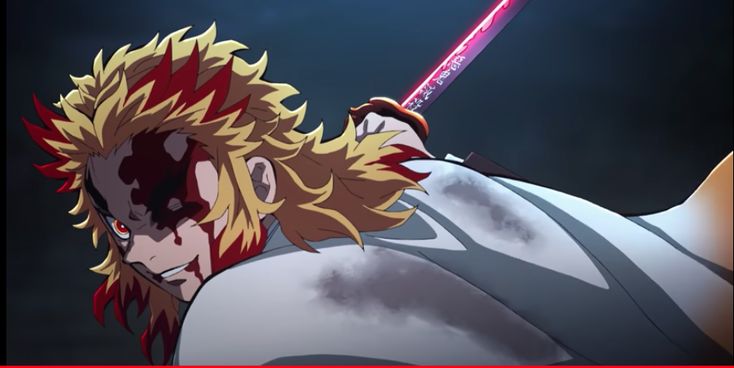
For me, Demon Slayer: Kimetsu no Yaiba made me think about “moving forward” in a way that didn’t feel like empty words. It reminded me that strength isn’t only about flashy techniques. It’s also about how you hold your heart.
- Even if something painful happens, you can grit your teeth and take one small step. I felt that step can shape the next version of you.
- Even people labeled “villains” or “side characters” have full lives. Seeing that made me want to stop judging people too quickly.
- It made me think about family and the people close to me. Even things that feel awkward to say became something I wanted to value more.
A Small Note Just for You
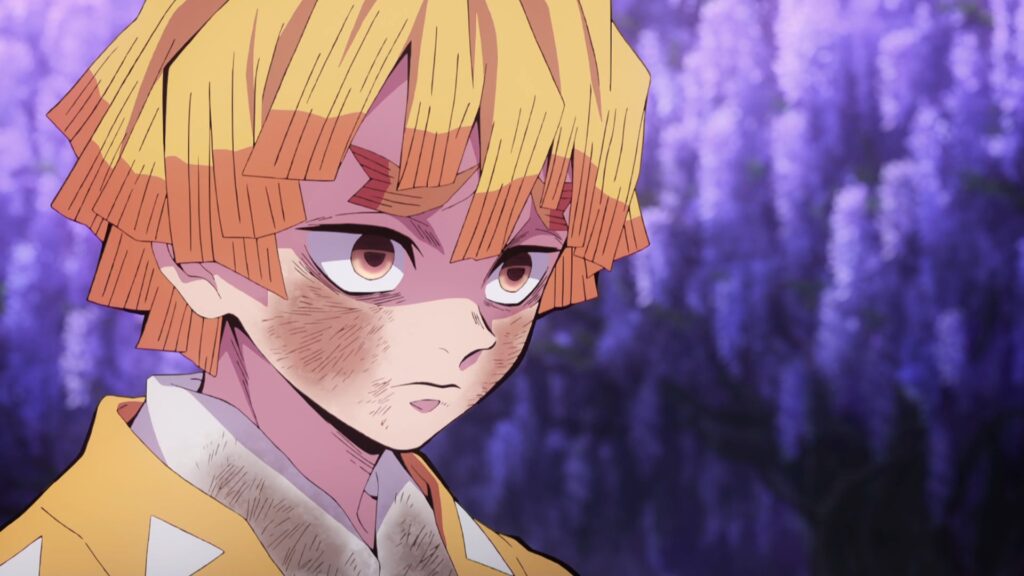
If you watch the first few episodes and think, “I’m not feeling it yet,” I think that’s normal. I also thought the story felt familiar at first. But as it goes on, the characters slowly grow on you, and you start to find more places to put your feelings.
If you’ve been tired lately, you might receive something from the show’s straight-forward kindness and quiet courage. It doesn’t tell you to force yourself to be fine. It feels more like someone saying, “It’s okay to keep going anyway.”
And this is the kind of story that can hit differently depending on where you are in life. You might cry in different places as a child or as a parent. If this story stays with you in a way that fits your current season, I’d be genuinely happy.